

BMS Installation
Bms installation
Efficient building operations require more than individual system control. Professional BMS installation helps facility managers gain better visibility and coordination across building systems, allowing issues to be identified early and operations to run more smoothly. By improving system control, performance monitoring, and operational consistency, a properly implemented BMS supports energy efficiency, reduces operational risks, and helps maintain stable, long-term building performance.
Key Benefits of BMS Installation
BMS (Building Management System) installation enhances building operations by providing smarter, centralized control of multiple systems.
Optimized Equipment Operation: Systems run according to actual demand, reducing unnecessary usage.
- Energy Efficiency: Automated scheduling minimizes energy waste and lowers utility bills.
- Reduced Operating Costs: Less equipment runtime and better resource management cut maintenance and operational expenses.
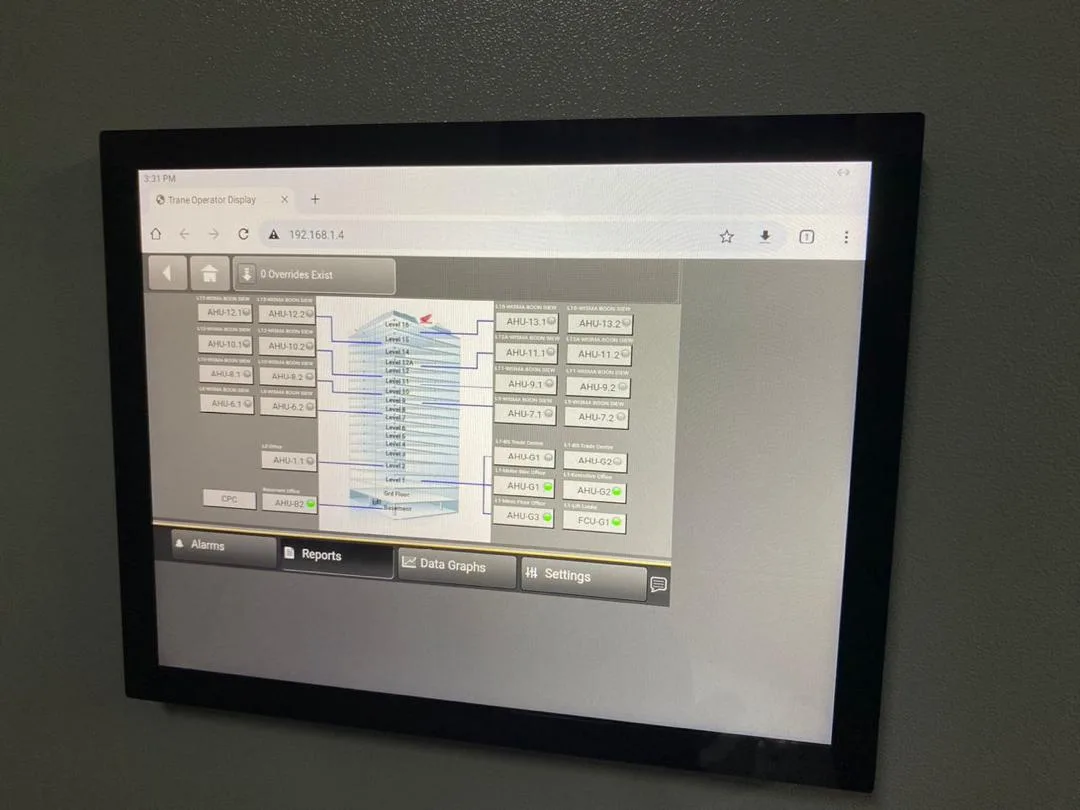
- Enhanced Monitoring: Real-time data allows quick detection of issues and faster response.
- Consistent Building Performance: Maintains stable temperature, ventilation, and overall comfort across the facility.
Applications of BMS Installation
BMS is ideal for facilities that require coordinated control of multiple systems. It is widely used in:
- Commercial Buildings: Offices, shopping centres, and mixed-use developments.
- Industrial Facilities: Factories, warehouses, and production plants.
- Data Centres & Hospitals: Critical environments requiring precise environmental control.
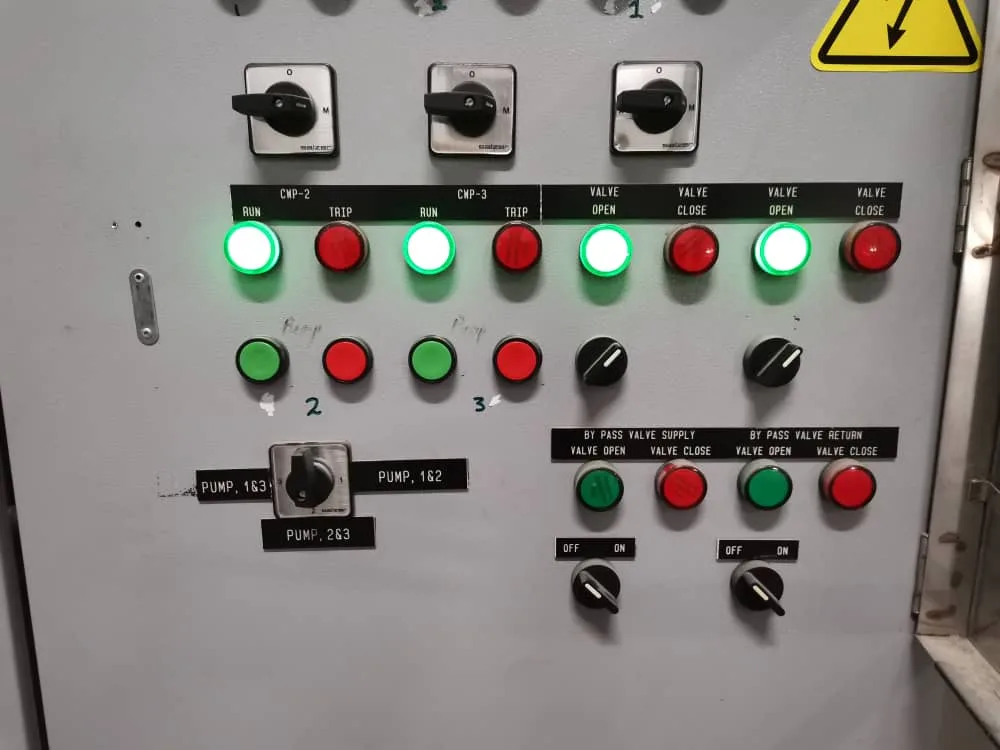
- Energy-Intensive Systems: HVAC systems, cooling towers, pumps, and lighting systems.
- Large-Scale Developments: Multi-building campuses or integrated developments needing centralized control.
Why Choose Wincool Engineering
Our approach to BMS installation focuses on practical performance and long-term reliability. We prioritize proper system integration, clear control logic, and stable communication between devices to ensure the system operates as intended. By focusing on operational efficiency and maintainability, we help clients achieve reliable building control and measurable performance improvements.
FAQs
What is BMS installation and how does it work?
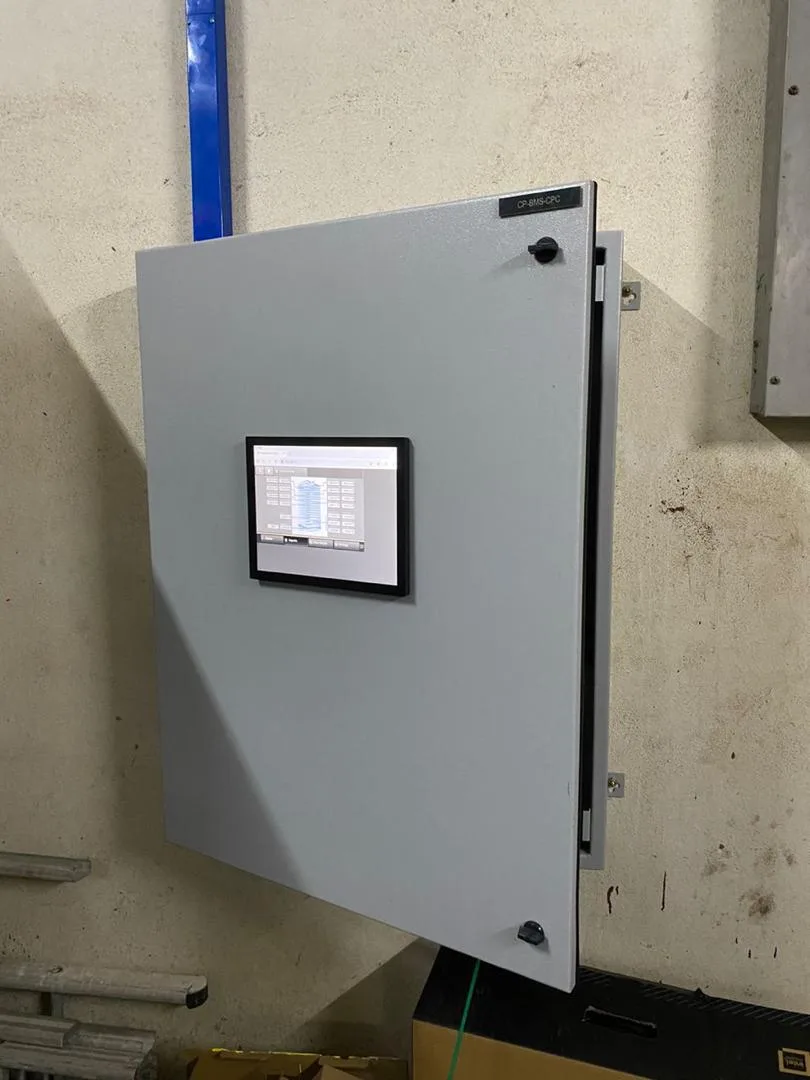
BMS installation involves setting up a centralized Building Management System that connects and controls multiple building systems such as HVAC, lighting, pumps, and ventilation. The system collects real-time data, applies control logic, and automates operations to improve efficiency, monitoring, and overall building performance.
What systems can be integrated during BMS installation?
A BMS can integrate HVAC systems, chillers, cooling towers, pumps, air handling units, lighting systems, and energy meters. The exact scope depends on building requirements and existing infrastructure, but most installations are designed to support future expansion.
How long does a BMS installation project take?
The duration of a BMS installation depends on building size, system complexity, and the number of systems involved. Smaller projects may take a few weeks, while larger or multi-building installations may require several months for full implementation and commissioning.
What maintenance is required after BMS installation?
After installation, regular system checks, software updates, and calibration are recommended to maintain performance. A properly installed BMS simplifies maintenance by providing clear fault alerts and performance data, reducing reactive maintenance needs.
What is the difference between BMS installation and standalone automation systems?
Standalone automation systems control individual equipment, while BMS installation provides centralized control and monitoring across multiple systems. This integrated approach improves coordination, data visibility, and operational consistency across the entire building.
Contact
Location

8, Lorong Saga Jaya 6, 13600 Perai, Pulau Pinang

wincool.engineering@gmail.com
Connect With Us Today
Whether you need specialized servicing, full system overhauls, or a reliable partner for ongoing support, our expert team is ready to assist you.
